Front-Load Washer Smells or Has Mold on the Gasket: Cleaning or Replacement?
Understand washer door-boot odor, residue, damage and replacement, with a confirmed LG gasket repair in Irvine and model-specific care guidance.
Quick answer: distinguish cleaning concerns from a damaged door seal
A musty odor, residue in the door boot, and a torn or leaking gasket are not the same problem. Start with the care instructions for your exact washer. Use only the products and procedures permitted by that manual, and never mix cleaning chemicals. If the seal is damaged, the door does not close normally, or water is escaping, stop treating the issue as a routine cleaning project and arrange assessment.
A photograph cannot identify the type of mold or establish a health diagnosis. This guide explains how to describe the condition, choose a sensible next step, and discuss replacement when appropriate. It does not promise that every dark mark can be cleaned away or that replacing a gasket will resolve every source of laundry odor.
What do you mean when you say the washer smells?
Tell us whether the odor is strongest at the door, in the empty drum, on freshly washed clothes, or elsewhere in the laundry room. Note whether it is present constantly or becomes noticeable after a cycle. A localized smell and a general room odor do not supply the same information. Avoid choosing a replacement part before describing the complaint. The first task is to understand what you are observing and whether another operating problem accompanies it.
Include what you can actually see: residue along an accessible fold, a persistent mark, a small object, or an area that appears torn. A normal photo of the open door can be helpful. There is no need to pull the boot away from its retaining hardware or put your hand into a concealed space. If the door is locked or the drum is moving, wait for normal safe access rather than forcing the door for a better picture.
Why the door boot deserves attention
The flexible boot around a front-load washer's opening is part of the door seal. Its shape and care requirements vary by model. Whirlpool's care guide notes that moisture and residue can collect around the gasket and recommends model-appropriate cleaning and drying. That is a reason to include the seal in ordinary maintenance, not proof that every odor originates there. A care routine should address the washer as the manufacturer describes it, rather than focusing only on the most visible mark.
Separate appearance, odor, and function in your description. For example, a customer might notice a dark stain without a leak, while another reports water at the front after every cycle. Those situations can lead to different conversations about cleaning, assessment, or replacement. Describe the machine's condition without labeling an image as a laboratory identification. The service provider can evaluate the appliance; medical questions about individual sensitivity belong with a qualified healthcare professional.
Manufacturer reference: Whirlpool: cleaning a front-load washer gasket. Use the care instructions for your own model rather than transferring a product concentration or procedure between different machines.
Begin with the manual and the cleaning-product label
Locate the care section for the washer, including any instructions for the door seal and cleaning cycle. Check what products are approved, how they should be applied, and what preparation is required. A cleaner intended for a hard bathroom surface is not automatically appropriate for a washer boot. Do not assume that more concentrated product or longer contact time gives a better result. If the manual and a proposed internet recipe conflict, follow the manufacturer's guidance.
Use one approved approach at a time and follow the safety directions on the product label. Never mix bleach with vinegar, ammonia, or another cleaner. Do not improvise chemical combinations to remove a stubborn mark. If there is already chemical residue from a previous attempt, stop and establish how to proceed safely before applying anything else. You do not need to carry out an aggressive cleaning experiment before contacting a repair provider.
Surface care is different from taking the washer apart
Ordinary owner care should remain within the tasks the manual identifies. Removing the boot, releasing its clamps, taking off the front panel, or altering door hardware changes the job from surface cleaning to appliance work. A video showing a similar-looking washer does not establish that the same access method is appropriate. Do not dismantle the machine to determine whether a hidden area also needs cleaning or to prepare it for a service visit.
If the appliance is stacked, mention that arrangement when you request service. Leave unstacking, moving, and disconnection to the appropriate professionals. A photo showing the laundry installation is sufficient for an initial access discussion. The same applies to a washer installed beneath a counter or behind a narrow closet opening. Preparing a clear path is helpful; lifting a dryer or disconnecting water lines is not a routine requirement for sending a service request.
Keep a short record of what has already been tried
Write down the cleaning product, the approximate date, and the part of the washer treated. If you ran a manufacturer-approved cleaning cycle, record that too. Explain whether the odor changed temporarily, remained the same, or returned after several loads. This history can prevent the discussion from starting with a step you already completed. It also distinguishes an unresolved complaint from a mark that has not yet been evaluated using the normal care instructions.
Include prior service and any recent change in laundry habits, detergent, installation, or use. Do not present the timing as proof of causation. A complaint starting after a move may deserve attention to the installation, but it does not establish that the mover damaged the washer. A practical timeline is more valuable than an argument built around an unconfirmed explanation. Keep receipts and model information available if manufacturer coverage may apply.
What recurring odor does and does not tell you
If an odor keeps returning, report the pattern rather than repeating increasingly strong treatments. Tell the provider whether the drum drains normally, whether clothes come out unusually wet, and whether the machine completes its programs. Those observations help establish whether the complaint is limited to surface care or accompanies another operating issue. They do not, by themselves, identify a pump, control, or gasket as the failed part.
For retained water or interrupted spinning, see our washer not spinning or draining guide. Describe the end of the cycle separately from the smell. A service request that combines several symptoms into “needs cleaning” can leave out useful information. Conversely, a persistent cosmetic mark does not establish a drainage failure. Keep the descriptions precise so an assessment can address the complaint you actually want resolved.
When it makes sense to discuss a new gasket
A replacement discussion is reasonable when the seal is visibly damaged, its condition remains unacceptable after appropriate care, or a service assessment identifies it as part of the problem. Do not treat every stain as an automatic replacement order. Ask what the proposed work is intended to resolve: a damaged sealing surface, the condition of the boot, or another identified concern. An honest recommendation should keep those aims separate.
LG's leakage guidance identifies a torn or damaged gasket as a reason for service. That does not mean every puddle at the front proves the boot is at fault. If water appears, explain where you first see it, the point in the cycle, and whether it follows a recent cleaning or installation change. Do not continue running loads solely to reproduce a leak. Existing observations are enough to begin arranging a professional evaluation.
Manufacturer reference: LG: front-load washer leakage. A damaged seal and an odor complaint require different descriptions, even when both involve the door area.
The correct door boot depends on the complete model
“An LG front loader” or “a Whirlpool washer” is not enough to select a replacement seal. Supply the complete model number when safely accessible. A label photograph reduces the chance of misreading a character. Keep the serial number available for the service provider if needed, rather than posting the label publicly. The shape, openings, and fit of a boot must be appropriate for the machine receiving it.
Before buying a part yourself, ask how the repair provider handles parts sourcing and customer-supplied components. A low online price may not represent the correct item or a complete installed repair. The service discussion should include compatibility, labor, access, and what happens if additional findings arise. Ordering first can complicate the appointment without establishing the reason the original seal was judged unsuitable.
A confirmed LG washer gasket replacement in Irvine
One Profe Fix customer in Irvine contacted us about a moldy front gasket on an LG washing machine. We replaced the gasket with a new one. Those are the confirmed facts of that job. We do not have a laboratory assessment of the marks, an exact model to publish here, or a basis for claiming a particular medical benefit. The case illustrates a replacement request tied to an actual appliance, not a promise that every odor requires the same repair.
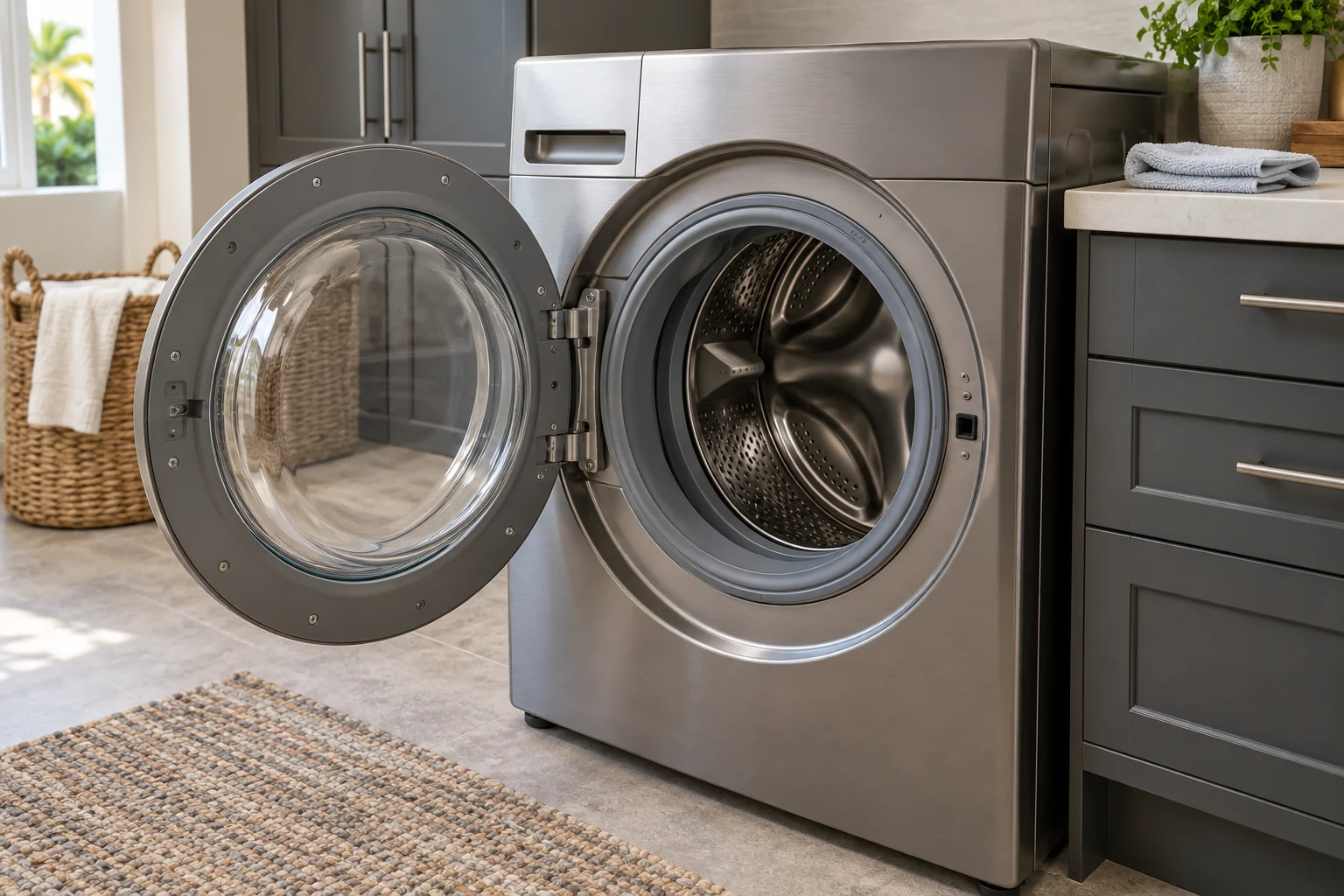
You can view the work on our Irvine appliance repair page and our washer repair service page. The photograph accompanying this article is a thematic illustration; the job's actual photo remains in the repair portfolio. Keeping those roles separate lets you see both a clear guide to the topic and the documentation of the specific service example.
Questions to ask before authorizing replacement
Ask what condition was identified and why replacement is being proposed instead of more owner care. Find out whether the estimate covers the correct boot, installation, and any required access work. If the washer has another known problem, discuss whether that concern is included or separate. A clear scope is more helpful than approving an undefined “mold repair” and later discovering that the phrase meant different things to the household and provider.
Also ask how the completed work will be checked and which care instructions to follow afterward. Keep the explanation aligned with the original complaint. Replacing a door seal is not a guarantee against all future odors or every possible leak. If a different symptom develops later, document it and contact the provider. The aim is a sensible assessment, an agreed repair, and an understandable record of what was actually done.
Plan the diagnostic visit and the repair decision
Profe Fix's diagnostic fee is $95, waived with a completed repair. The fee is not an advertised universal price for a gasket replacement. After diagnosis, the proposed work and price are explained for your approval. Availability of a particular boot and the access arrangement can affect scheduling. If you do not proceed with the repair, confirm the diagnostic charge under the appointment terms.
Eligible repairs include a 90-day parts and labor warranty, with coverage discussed for the particular repair. Keep your invoice and service date. If a manufacturer's warranty or another plan may apply, check those conditions before arranging independent work. Our repair cost guide explains the distinction between paying for assessment and authorizing the complete repair. Our repair-or-replace guide can help if the washer has several known concerns.
Prepare a useful message for washer service
Include your Orange County city or ZIP code, washer brand, model if available, and whether the concern is odor, visible residue, damage, leaking, or more than one of these. Add the approximate start date and any approved cleaning already attempted. Mention a stacked installation, closet restrictions, or building access. A short accurate description helps more than a list of replacement parts copied from another customer's repair.
For example: “Our front-load washer has a persistent smell near the door and dark marks in the accessible boot folds. It still completes its cycles. We used the manual's cleaning procedure last week, but we are unhappy with the seal's condition. The dryer is stacked above it.” This is an illustrative message, not another completed job. It explains what the customer wants assessed without pretending to diagnose the machine in advance.
Common questions about washer gasket care
Can dark marks be identified as mold from a picture?
A photo helps show the condition but does not establish a laboratory identification or a health assessment. Describe the appearance and odor accurately. Seek appropriate professional advice for health concerns rather than relying on a repair article.
Does a new boot guarantee that smells will never return?
No. A new component does not replace the manufacturer's ongoing care instructions or address every possible source of odor. Discuss the actual condition and the intended result before approving work.
Do I need to unstack the dryer before requesting a visit?
No. Tell us that the equipment is stacked and provide an ordinary installation photo if requested. Let the service provider discuss access arrangements rather than lifting or disconnecting equipment yourself.
Additional care reference: LG: tub-clean care guidance. Keep all product choices and cleaning procedures specific to your washer.