LG Refrigerator Compressor Replacement: What Homeowners Should Know
Understand diagnosis, model-specific parts, warranty questions and the decision to repair an LG refrigerator.
Start with the cooling problem, not a replacement part
An LG refrigerator that loses cooling creates an immediate practical problem. You need a dependable place for groceries, a clear appointment plan and an explanation of what repairing the machine will involve. It is understandable to search for compressor replacement as soon as both compartments feel warmer. However, a cooling complaint and a confirmed compressor failure are different things. A useful service visit establishes the cause before anyone asks you to approve a major component replacement. The model, operating pattern and findings matter more than a diagnosis borrowed from another refrigerator online.
This guide explains the homeowner's side of that process: what information to collect, how to discuss the findings, what a repair estimate should clarify and how to compare repair with replacement. It does not provide instructions for opening a refrigeration system. At Profe Fix in Orange County, the diagnostic fee is $95 and is waived with a completed repair. The recommended repair and price are discussed before you authorize the work. You can use that conversation to make a decision based on your actual refrigerator rather than on a general reputation or an alarming search result.
Describe what changed and when it changed
Begin with a short timeline. Explain when you first noticed the refrigerator warming, whether the freezer changed at the same time and whether the problem developed gradually or appeared suddenly. Note any recent move, power interruption or installation work without assuming it caused the failure. These details give the technician a starting point. If the symptom is intermittent, describe the periods when operation seems normal as well as the periods when it does not. A precise observation is useful even when you do not know the name of any internal component.
Separate the displayed setting from what you observed inside the appliance. A control displaying a selected temperature does not by itself establish that stored food has remained at that temperature. Mention whether you have a separate temperature reading, but do not invent one from how cold a bottle feels. Preserve any visible warning by taking a photograph if it is easy to do so. Avoid changing several settings repeatedly while waiting for the appointment. The original operating pattern is harder to explain when several changes have been made and nobody recorded their order.
Identify the complete model before discussing parts
The word LG identifies the manufacturer, not the exact refrigeration design or the appropriate replacement component. Provide the complete model number and, when available, the serial number. A photograph of an accessible identification label is usually more dependable than a product name remembered from the sales listing. Do not move a heavy refrigerator or remove panels simply to find a label. Explain if you cannot access it safely, and ask what information can be supplied before the visit instead. Keep your purchase record available if you plan to investigate manufacturer coverage.
Model information also helps keep the repair conversation specific. Two refrigerators with similar doors or marketing names can require different parts and procedures. Do not order a compressor because a seller lists it as suitable for LG refrigerators generally. The technician must establish compatibility with the actual machine and the proposed scope. If a quote identifies a component, ask whether its selection has been confirmed for your model. This question is especially important when comparing estimates that appear similar in price but describe different parts, different responsibilities or different stages of work.
Why a running refrigerator still needs diagnosis
Lights, a display and audible operation can tell you that some functions are active, but they do not prove that the refrigerator is cooling properly. Likewise, a sound you associate with the compressor does not prove that it is the failed component. Explain the sound in ordinary words: a repeated click, a continuous hum or a new noise that starts at a particular time. Record a short video from a normal standing position if that helps describe an intermittent concern. Leave internal access and component identification to the technician.
Ask for an explanation that connects the diagnosis to the cooling complaint. What operation was assessed, what finding supports the recommended repair and what further work is included? You do not need to interpret technical measurements yourself to ask these questions. A clear recommendation should distinguish a confirmed finding from something that still requires investigation. If additional concerns are found, ask whether they belong to the same repair or represent separate recommendations. This prevents a conversation about a single replacement part from becoming an undefined promise to correct every unrelated feature of the appliance.
Understand the proposed sealed-system work
A compressor replacement concerns the refrigeration circuit, rather than simply exchanging a visible accessory. Homeowners should treat it as professional work and avoid opening tubing, connecting equipment or attempting to release or add refrigerant. The detailed procedure depends on the refrigerator and the diagnosed condition. A useful estimate describes the proposed repair as a complete service task, including the relevant parts, labor and operational checks. It should help you understand what result is being addressed without turning a public article into a do-it-yourself refrigeration procedure.
Ask whether the recommendation is for the compressor alone or for a broader scope supported by the findings. Clarify whether the price includes the steps required to complete that scope and whether anything remains conditional. Do not infer that a component listed on the estimate represents every item used during the repair. Equally, do not approve unrelated additions without an explanation. If the technician discovers something that changes the proposed work, you should understand the revised recommendation and price before deciding how to proceed. Keep a copy of the scope you actually authorized.
Check manufacturer coverage before approving paid work
Review your own model's warranty documents and contact LG when coverage may apply. Manufacturer terms can distinguish compressor parts, other sealed-system components and labor, so a long component warranty does not automatically mean that every service expense is covered. The eligibility of your particular refrigerator depends on the applicable documents and circumstances. Do not apply a warranty table from a different model, another country or an older advertisement to your purchase. Ask the manufacturer which service route is required before arranging work you expect it to reimburse.
Keep the purchase receipt, model and serial number together when contacting support. Explain the symptom and any diagnosis already obtained, and ask what documentation is needed. Profe Fix's own repair warranty and a manufacturer's product warranty are separate arrangements; one does not establish the terms of the other. This article does not claim that Profe Fix is an LG-authorized warranty provider. If manufacturer authorization is required for covered work, confirm that route directly. A few specific questions before approval can prevent assumptions about parts coverage from becoming unexpected labor or appointment charges later.
What the $95 diagnostic fee means
The diagnostic appointment is the assessment stage. At Profe Fix, the $95 fee is waived with a completed repair. A compressor repair total is established from the proposed work rather than being represented by the diagnostic fee alone. Before booking, ask how the fee will be treated if you decide not to proceed and how the approved repair total will appear on the invoice. Understanding those terms helps you compare a diagnosis, a repair estimate and a completed repair as different stages of the same decision.
Avoid comparing a component's online retail price directly with a complete service estimate. Those figures can describe different purchases and responsibilities. Ask what the service estimate includes, whether parts must be ordered and whether a return appointment is expected. If you are comparing providers, make sure each recommendation concerns the same diagnosed problem and a comparable scope. The lowest number is not necessarily the lowest total when essential tasks or follow-up responsibilities remain unspecified. You should be able to explain the approved cost in plain language before authorizing the repair.
Prepare the kitchen for the appointment
Describe the installation when you request service. Mention a narrow kitchen passage, a refrigerator fitted tightly between cabinets or an appliance that cannot be moved without special planning. Clear everyday items from the immediate work area and provide a reasonable route into the kitchen. Do not disconnect the refrigerator, remove built-in trim or try to move a heavy appliance yourself just to demonstrate preparation. If access is uncertain, send photographs of the installation so the service team can discuss the situation rather than encounter it without warning.
Arrange for someone who can approve the proposed work to be available. If you rent the home, clarify who is responsible for authorization and payment before scheduling the repair. If the property is managed, explain access instructions and how the technician can contact the decision maker. These practical details are separate from the technical fault, but they can affect whether an appointment can progress beyond diagnosis. Keep the model information, cooling timeline and purchase documents ready so the conversation does not depend on finding several unrelated messages while the technician is on site.
Plan for parts and completion timing
A completed diagnosis does not guarantee that the correct component is available immediately. Ask whether the part is in hand, must be ordered or needs confirmation before a repair date can be proposed. Distinguish hands-on repair time from the overall time between booking, diagnosis, part availability and completion. A quick replacement in one documented job does not establish a promise for every refrigerator. The installation, diagnosed scope and scheduling circumstances can differ. A realistic plan explains the next step instead of offering an unsupported universal turnaround time.
If a return visit is necessary, ask how you will receive updates and what must happen before that appointment is confirmed. Clarify any payment or special-order terms that apply to your own approved repair. Keep the estimate and appointment information together. Arrange your household's temporary refrigeration needs based on the confirmed plan rather than on an assumed same-day outcome. If the technician's findings change the schedule, ask for an explanation of what remains. Useful communication describes the actual dependency, such as part availability, rather than presenting every delay as an unexplained change in the repair itself.
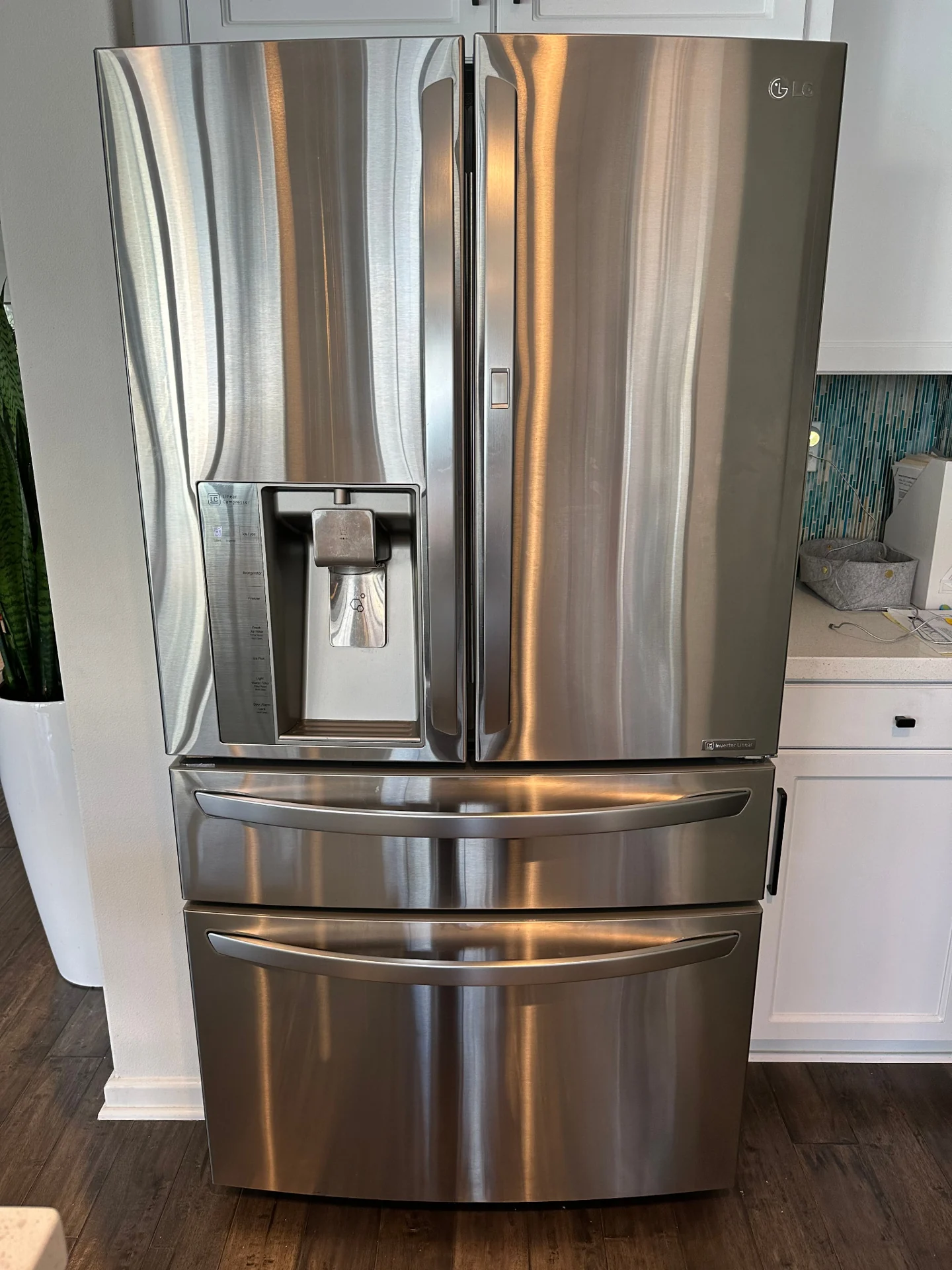
A documented LG repair from our work
In one LG refrigerator job supplied for this site's repair portfolio, the customer reported a loss of cooling over the previous two days. Diagnosis identified a failed compressor. Replacement took almost two hours, and the refrigerator returned to working operation. This example illustrates the sequence of complaint, assessment and repair. It does not establish the cause of another customer's cooling problem or guarantee the same repair duration. The photograph associated with this article is from that supplied job, rather than a stock image presented as a completed customer repair.
The useful lesson is to keep the story specific. The customer described a recent change in cooling; the technician assessed the refrigerator; the work followed the findings. When you contact us about your own LG refrigerator, provide that same kind of timeline rather than trying to match the example's failed part. We do not know your model's condition from its appearance alone. A different refrigerator might require a different recommendation, and an estimate should reflect that difference. Real work examples help explain a process when they are not used as shortcuts around the next customer's diagnosis.
Compare repair with a complete replacement option
Once you have a diagnosis and repair scope, compare them with a real replacement plan. Include delivery, installation, disposal and any fitting changes in that comparison. Check the replacement dimensions, door clearance and route into the kitchen rather than assuming that a similar advertised capacity means the appliance will fit. Consider the condition of the existing refrigerator beyond the diagnosed fault, including whether other unresolved issues matter to your household. A single age rule or an arbitrary percentage cannot capture all those practical differences.
Also compare timing and responsibility. When could the proposed repair be completed, and when could a suitable replacement actually be installed? What coverage applies to each option? Do not treat previous repair spending as a reason to approve any new cost automatically, but do use the appliance's history to ask better questions about its overall condition. The decision should reflect the findings, the complete expense and your priorities. If you choose replacement after diagnosis, you can still use the assessment as useful information rather than regarding a visit that did not lead to repair as wasted effort.
Ask what happens after the repair
Before completion, ask what operation was checked and what instructions apply to returning the refrigerator to normal use. A repaired machine's recovery and the condition of food already inside are separate questions. Do not assume that restoring cooling makes previously warmed food safe. Follow appropriate food-safety guidance for your circumstances instead of judging safety only by whether the appliance now feels cold. Ask the technician how to observe the refrigerator's operation without repeatedly changing controls or opening compartments unnecessarily while evaluating recovery.
Keep the invoice, completed scope and applicable warranty information. Eligible Profe Fix repairs include a 90-day parts and labor warranty; confirm the terms that apply to your repair. If a concern returns, describe what changed, when it appeared and how it relates to the original complaint. Contact the provider before commissioning unrelated work that could complicate assessment of the completed repair. Good follow-up begins with a specific report and a record of the authorized work. It does not depend on interpreting every ordinary operating sound as proof that the repair has failed.
Questions homeowners commonly ask
Does loss of cooling always mean the compressor needs replacing? No. The symptom should be assessed before a component recommendation is made. Can I buy the part first to save time? Wait until the diagnosis and model compatibility are confirmed, and discuss who supplies the component and accepts responsibility for it. Will manufacturer coverage pay for the whole job? Check the documents and service requirements for your exact refrigerator; component and labor coverage should not be assumed to be identical. These questions belong before repair approval, not after an unexpected charge appears.
What should I include in a service request? Provide the LG model, your Orange County location, the affected compartments, the date the problem started and any displayed warning. Mention installation restrictions and whether you are investigating manufacturer coverage. A useful message might say that both compartments have warmed during the last two days, the appliance still appears powered and you would like diagnosis before discussing replacement. That description gives us usable information without guessing a failed part. The next step is an assessment, an explanation of the findings and your decision about the proposed repair.